-
-
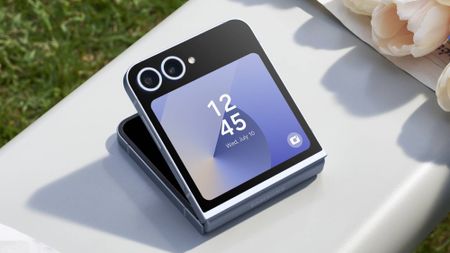
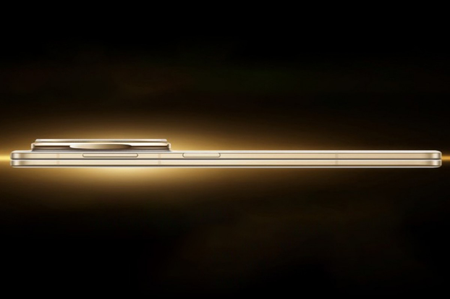
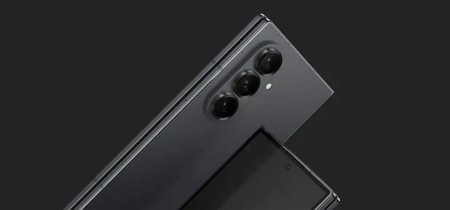
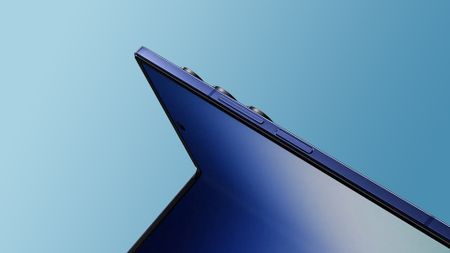 Samsung Galaxy Z Fold 7: Everything we know about the thinnest foldable ever
 -
 $719 for a Pixel 9 with two years of unlimited service! Save $800 in short-term Mint Mobile deal.
 -
 Save up to $200 on the latest Motorola Razr 2025 flip phone series
 -
 Trump Mobile websites shifts messaging away from "Made in the U.S.A."
 -
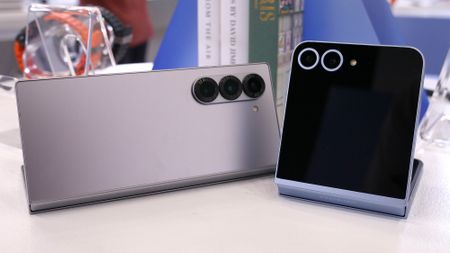 Samsung Galaxy Z Fold 7 price leaks take fans on an emotional rollercoaster — how much will it be?
 -
 Get a $50 Samsung Credit and bonus savings of up to $1,150 when you reserve the next Galaxy device by July 9
 -
 Latest Google Pixel 10 leak reveals key hardware omissions — but why?
-


-
-
$719 for a Pixel 9 with two years of unlimited service! Save $800 in short-term Mint Mobile deal.
-
Latest Google Pixel 10 leak reveals key hardware omissions — but why?
-
 Android 16 is rolling out now — here are 7 upgrades I can't wait to check out, including replacing my laptop
 -
 Google I/O preview: 7 reveals that hint at where Google’s headed next
 -
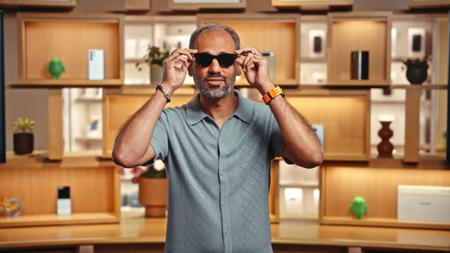 "See you on May 20": Is this Google I/O promo a sneak peek at Android smart glasses?
 -
 Galaxy S25 Edge: The thinnest flagship takes aim at iPhone 17 Air
 -
 Nothing's modular CMF Phone 2 Pro adds one huge feature, but kills one of my favorites
 -
 Latest Samsung Galaxy S25 Edge rumors hint at specs, price, and even a possible release date
 -
 Pixel 9a verdicts are in: Here’s why reviewers say it’s worth $500
-


-
-
Save up to $200 on the latest Motorola Razr 2025 flip phone series
-
Samsung Galaxy Z Fold 7 price leaks take fans on an emotional rollercoaster — how much will it be?
-
Get a $50 Samsung Credit and bonus savings of up to $1,150 when you reserve the next Galaxy device by July 9
-
 Samsung’s next Unpacked is official, and an "Ultra" foldable might be coming
 -
 It takes more than money to buy this Samsung Galaxy Fold 7 rival
 -
 Can this get you to buy a Samsung Galaxy Z Fold 7? Here's what Samsung may offer.
 -
 The Samsung Galaxy Z Fold 7 might be the most beautiful phone to fail
 -
 The epic Galaxy Z Fold 6 hits a new all-time low price — don't miss this short-term deal!
 -
 You still have time to preorder the Galaxy Z Fold 6, Galaxy Z Flip 6 and save up to $1,200
-


-
-
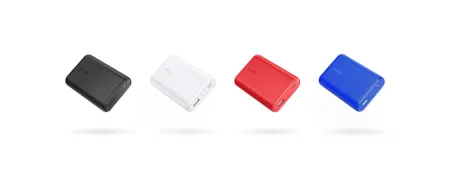 Anker recalls 1 million power banks -- here are five to buy instead
 -
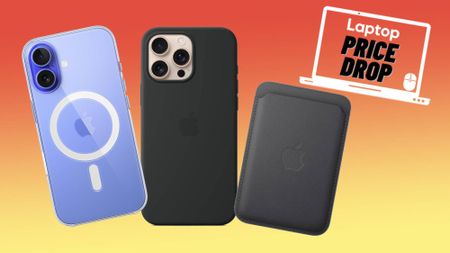 Save up to 50% on iPhone 16 MagSafe protective cases at Amazon
 -
 9 deals on must-have iPhone 16 accessories at Amazon to shop now
 -
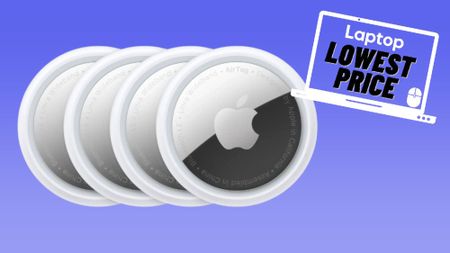 The Apple AirTag 4 pack hits best price yet — now just $70
 -
 The Belkin Stage PowerGrip was the must-have phone accessory at CES 2025
 -
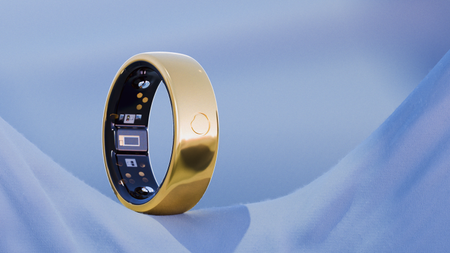 The Circular Ring 2 is the Best Wearable of CES 2025 — and it has Apple and Samsung making orders
 -
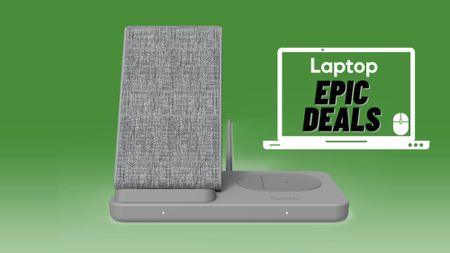 3 Pixel 9 wireless fast charging stands I'd buy since Google killed the Pixel Stand 2
 -
 How Samsung could finally unlock smart glasses' true potential
 -
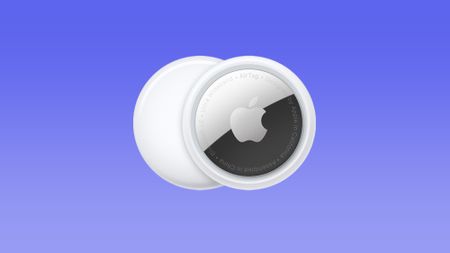 AirTag everything! This Apple AirTag four-pack deal is so cheap you should buy it twice
-


-
-
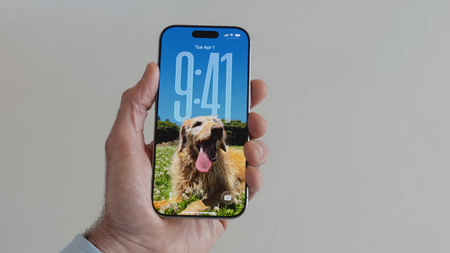 This iOS 26 battery life upgrade could save the iPhone 17 Air from the iPhone mini's fate
 -
 WWDC '25WWDC 2025 recap: Liquid Glass, iOS 26, macOS Tahoe, Apple Intelligence, and all the highlights from Apple
 -
 SOLARIUM!WWDC 2025 preview: AirPod updates are coming, and how to watch Monday's keynote
 -
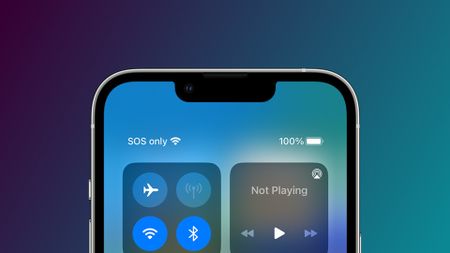 SOS on iPhone: What it means and how to fix it
 -
SOLARIUM!WWDC 2025 preview: A gloomy prediction for Apple Intelligence, "Solarium," and macOS "Tahoe"
-
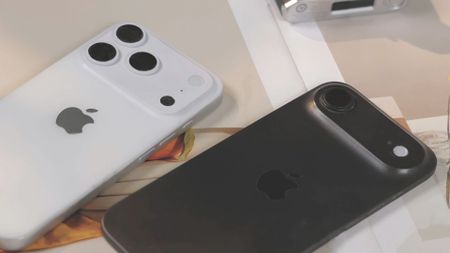 iPhone 17 Air leak shows impossibly sturdy frame, but don't put your "bendgate" fears to bed just yet
 -
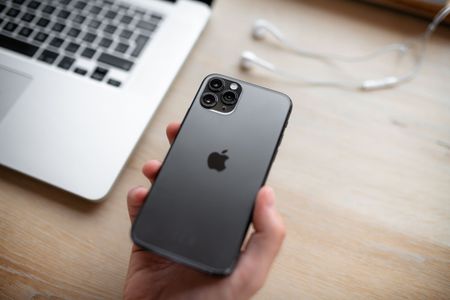 MADE IN USAWhat separates a $1,000 iPhone from a $3,500 one? About 7,000 miles.
 -
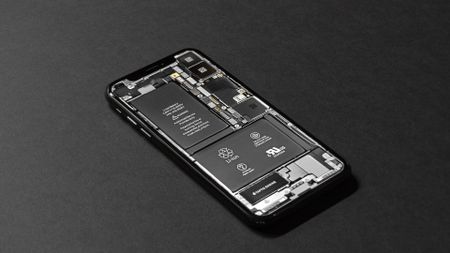 Trump warns Apple over India: what it means for the next iPhone
 -
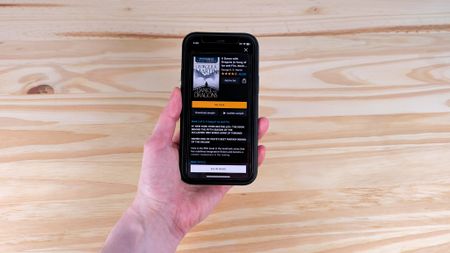 App Store rule change takes the headache out of buying books on iOS Kindle app
-


